Recent Form and Tactical Overview
Fleetwood Town's current campaign in League Two has seen a blend of commendable performances interspersed with frustrating results. As the Cod Army handles the season, it’s key to dissect their tactical approach to identify areas for improvement. Recent matches have highlighted a few tactical tendencies, particularly in their formation and player positioning, that may benefit from adjustment.
Formation and Player Roles
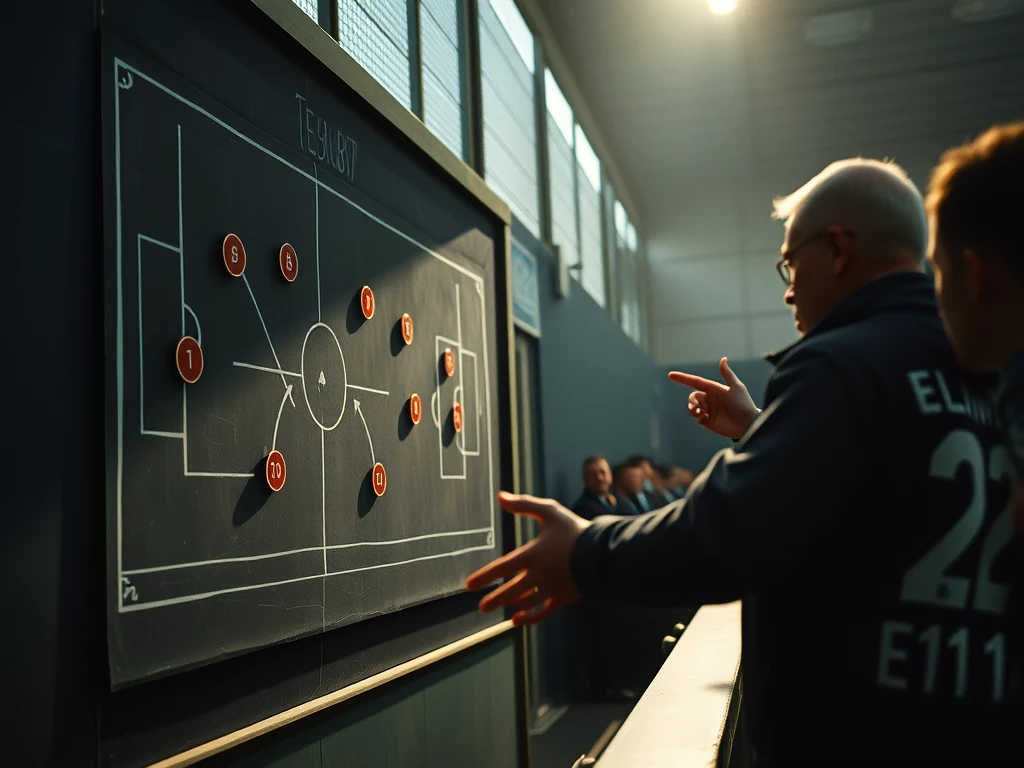
Fleetwood has predominantly employed a 4-3-3 formation, which allows for width and attacking flair. The front three, comprising pacey wingers and a central forward, have shown potential to exploit defenses. However, recent games have revealed a tendency for the team to become somewhat predictable in their attacking patterns. The wingers often drift inside, congesting the central areas, which limits the effectiveness of their attacking play.
To counter this, one suggestion would be to revert to a 4-2-3-1 formation, allowing for more fluidity and creativity in the attacking third. This tweak would enable the wingers to maintain their width, stretching the opposition and creating space for the attacking midfielder to exploit. Additionally, having two holding midfielders could provide better defensive cover, allowing for a more balanced approach during transitions.
Midfield Dynamics
The midfield has been another focal point of Fleetwood’s tactical setup. While the current midfielders have exhibited strong work rates, the lack of a creative playmaker has often stymied progression through the lines. Introducing a more dynamic midfielder who can link play and make incisive passes could transform Fleetwood's attacking capability. This player would be key in transitioning the ball from defense to attack, ensuring that the forwards receive the support they need to penetrate defensive lines.
Defensive Solidity
Defensively, Fleetwood Town has been solid in parts but has also shown vulnerabilities, particularly against high-pressing teams. A slight adjustment in their defensive shape could enhance their resilience. Encouraging the full-backs to stay deeper and maintain their positions during opposition counterattacks would help assert control in defensive situations. This may also minimize the risk of being caught out of position, which has led to conceding unnecessary goals.
Conclusion
As Fleetwood Town continues its journey in League Two, the opportunity for tactical reassessment is ripe. By implementing a more fluid formation and enhancing midfield creativity, the Cod Army can look to not only improve their current form but also establish a more cohesive and effective playing style. With the right tweaks, Fleetwood Town has the potential to climb the league table and secure a more competitive footing in the division.