 Fleetwood Town Hub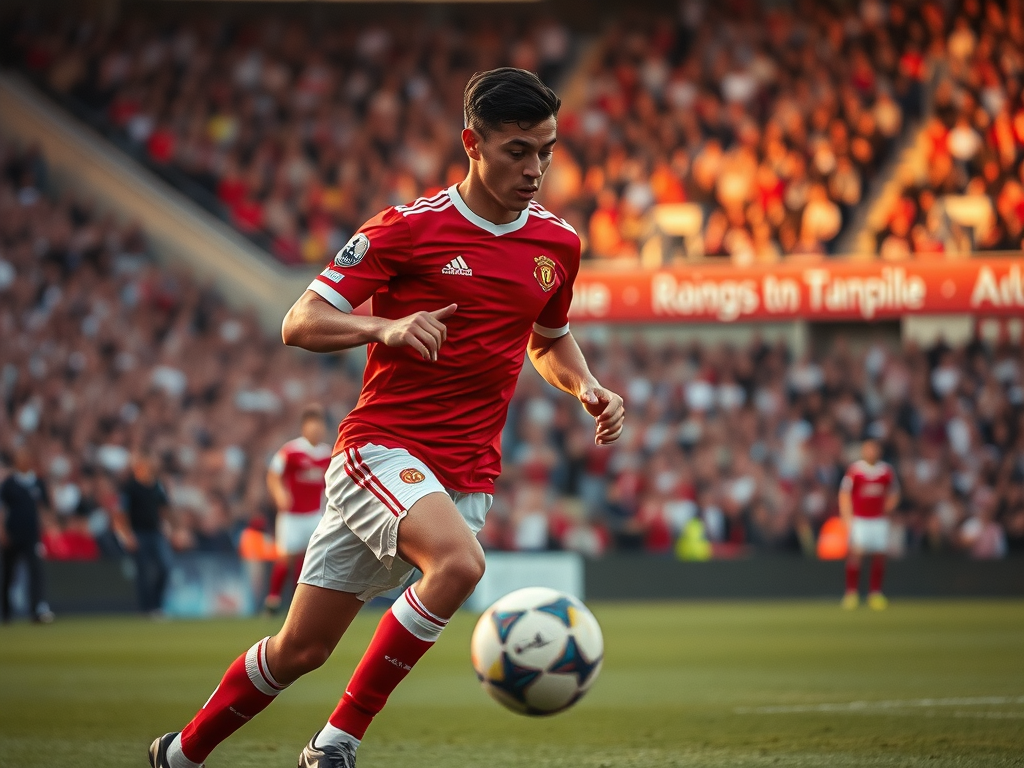
Fleetwood Town, affectionately known as the Cod Army, has had a mixed bag of results recently in League Two, oscillating between promising displays and frustrating setbacks. While the talent within the squad is evident, a deeper look at their tactical setup reveals areas for potential improvement that could help the team secure more consistent results as the season progresses.
Recent Form Analysis
In their last few matches, Fleetwood has shown flashes of creativity and attacking impetus, particularly in their play down the flanks. The wide players have been crucial in stretching opposition defenses, allowing for overlaps and creating space for central players to exploit. However, the team has also been guilty of losing possession cheaply, often leading to counter-attacks that expose the defense. This inconsistency has resulted in a series of games where they’ve dropped points when they could have capitalized on their attacking momentum.
Defensive Solidity and Midfield Resilience
Defensively, the Cod Army has often struggled to maintain compactness, especially when transitioning from attack to defense. Opponents have frequently exploited spaces left behind by overlapping full-backs, leading to dangerous situations. A tactical tweak that could enhance stability is the implementation of a double pivot in midfield, allowing for greater cover when full-backs push forward. By deploying a more structured midfield, Fleetwood can better shield their defensive line and regain control of the game during transitional phases.
Adjusting the Attacking Approach
While the pace and width provided by the wingers have been beneficial, Fleetwood could benefit from incorporating more central overloads. By encouraging the attacking midfielders to make penetrating runs into the box, they can create more goal-scoring opportunities and draw defenders out of position. Implementing a flexible attacking formation that allows these players to interchange positions could confuse opposing defenses and create mismatches. Additionally, encouraging more crosses into the box from wide areas, combined with late runs from midfield, could lead to more goals from set-pieces and open play.
Tactical Flexibility
Another suggestion for improvement is to increase tactical flexibility during matches. Fleetwood should be prepared to switch formations mid-game based on the flow of play or the strengths of the opposition. For instance, transitioning to a 4-2-3-1 formation when chasing a game could allow for more attacking options, while reverting to a more defensive 4-4-2 setup when protecting a lead could prove advantageous. This adaptability would not only keep opponents guessing but also allow Fleetwood to better control different phases of matches.
Conclusion
Fleetwood Town has the potential to rise up the League Two table with a few tactical adjustments. By focusing on defensive solidity, enhancing their midfield cover, and encouraging dynamic attacking play, the Cod Army can create a more cohesive unit that is capable of achieving the consistency needed to challenge for promotion. As the season continues, implementing these tweaks could be the key to unlocking the squad's full potential and steering Fleetwood toward a successful campaign.