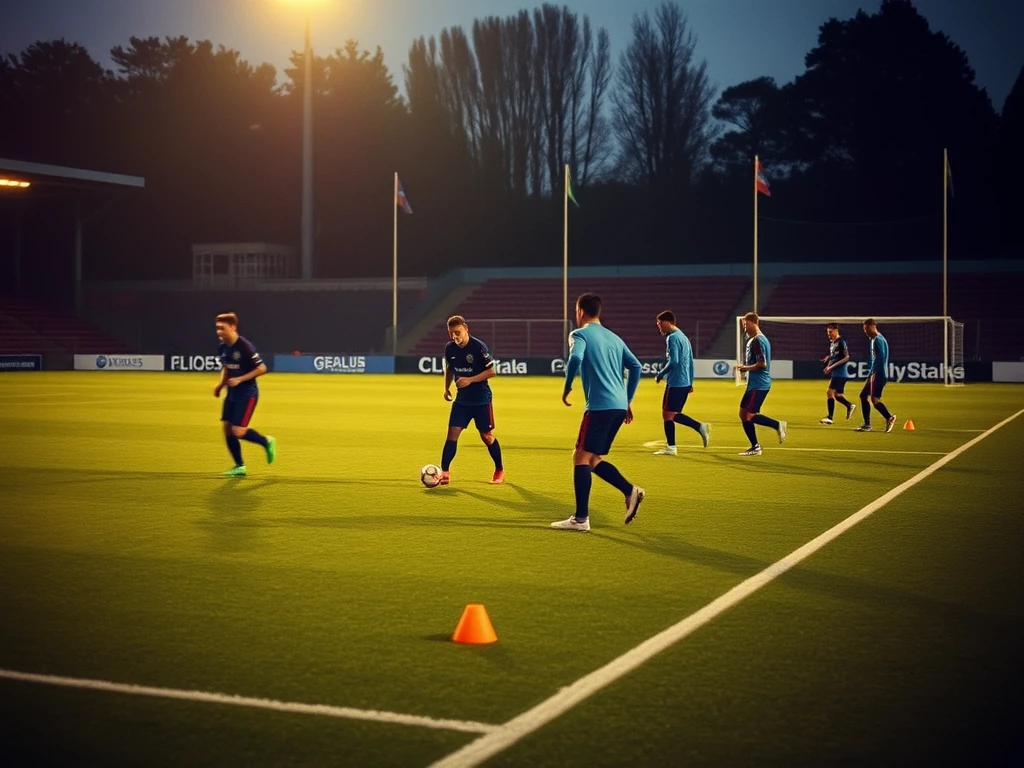

Recent Tactical Observations
Fleetwood Town's performances in recent matches have showed a mix of promise and frustration. While the Cod Army has shown flashes of attacking brilliance, defensive lapses and a lack of cohesion in midfield have hindered their ability to convert potential into points. The tactical setup under head coach Scott Brown has generally leaned towards a 4-2-3-1 formation, which has been effective at times, but the nuances of play need fine-tuning to address specific weaknesses.
Midfield Dynamics
One of the key areas that requires immediate attention is the midfield. Despite having creative players capable of unlocking defenses, the midfield often appears disjointed, with players failing to effectively link up with the forwards. The introduction of a more dynamic midfield trio could provide the necessary balance, allowing for both defensive stability and attacking fluidity. Deploying a player with a box-to-box style, alongside a deep-lying playmaker, could enhance the team’s ability to transition quickly from defense to attack. This adjustment would also alleviate pressure from the backline, as midfielders would be better positioned to intercept opposition moves and initiate counter-attacks.
Defensive Structure
Defensively, Fleetwood has struggled with maintaining shape, particularly during set pieces and transitions. The full-backs have often been caught out of position, leaving gaps for opposing wingers to exploit. A possible tweak would be to implement a more conservative approach from the full-backs, allowing them to focus on defensive duties while providing cover for the center-backs. Additionally, reinforcing the communication between the defenders and the goalkeeper is key; a solid defensive unit requires clarity and confidence in organization, especially against teams that capitalize on miscommunication.
Attacking Fluidity
In the attacking third, the reliance on individual brilliance from players like Ched Evans can be both a strength and a weakness. While Evans' experience and ability to find the net are invaluable, a more cohesive attacking strategy is necessary for consistent scoring. Encouraging wingers to cut inside and create overloads in the box can provide more opportunities for the forwards. Also, emphasizing movement off the ball will allow for greater options and create space for late runs into the area, a tactic that has yet to be fully exploited.
Set-Piece Strategy
Set pieces are another area where improvement is needed. Fleetwood Town has shown potential in this aspect but has not capitalized effectively on their opportunities. A dedicated set-piece coach could aid in refining both attacking and defensive scenarios, ensuring that the team maximizes their chances and minimizes risks during these key moments in the game. Implementing varied routines could also keep opponents guessing and increase the likelihood of scoring from these situations.
Conclusion
while Fleetwood Town's recent form has had its highlights, it is clear that tactical adjustments are necessary to ensure the team can compete effectively in League Two. By focusing on strengthening the midfield dynamics, enhancing defensive organization, improving attacking fluidity, and refining set-piece strategies, the Cod Army can set themselves up for a more successful campaign. The potential is there; it just requires the right tweaks to unlock it.