
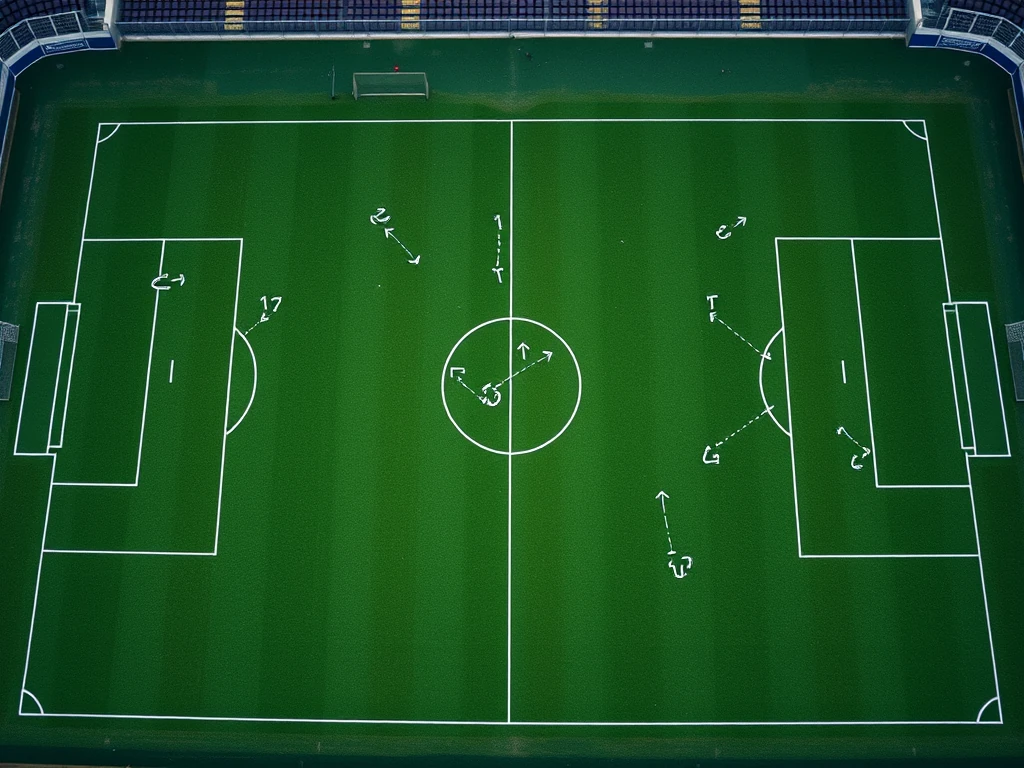
Since the arrival of new management, Fleetwood Town has made noticeable strides in their tactical approach. The focus on fluidity and adaptability has reinvigorated the squad, creating a more dynamic style of play that keeps opponents guessing. Each match now embodies a strategic flexibility that has become a hallmark of their recent performances in League Two.
Analyzing the team's formation reveals a seamless transition between different setups during matches. In the recent game against Newport County, Fleetwood Town utilized a 4-3-3 formation that shifted to a more defensive 4-2-3-1 when the situation demanded. This adaptability allowed them to maintain control and manage opposition threats effectively. While on the front foot, the midfield showcased creative link-up play that led to increased goal-scoring opportunities.
However, it's not just about formations; the coaching staff emphasizes individual roles tailored to player strengths. For instance, E. Bonds has thrived in his more advanced position, contributing not only defensively but also providing key assists. By maximizing each player's unique abilities, Fleetwood Town capitalizes on moments in crucial matches.
This tactical evolution has also fostered a stronger sense of teamwork. Players now exhibit better understanding and communication on the pitch, which translates into fewer mistakes and an overall improved performance level. Certainly, the squad's confidence builds with each passing game, moving closer to their aspirations for promotion.
As Fleetwood Town continues to embrace this tactical shift, the excitement grows around how it will influence their campaign. Fans eagerly anticipate how the Cod Army will tackle upcoming fixtures and whether the new strategies will secure the results needed for a shot at higher table positions in the league. The evolution is evident, and the journey ahead looks promising.