Tactical Adjustments for Fleetwood Town's Next Phase
Fleetwood Town’s recent performances in League Two have showcased the potential within their squad, but to truly capitalize on this talent, a few tactical adjustments could make all the difference. With the Cod Army steadily climbing the league table, it is time to analyze their current setup and suggest some tweaks that can help propel them to greater heights.
Current Formation and Style of Play
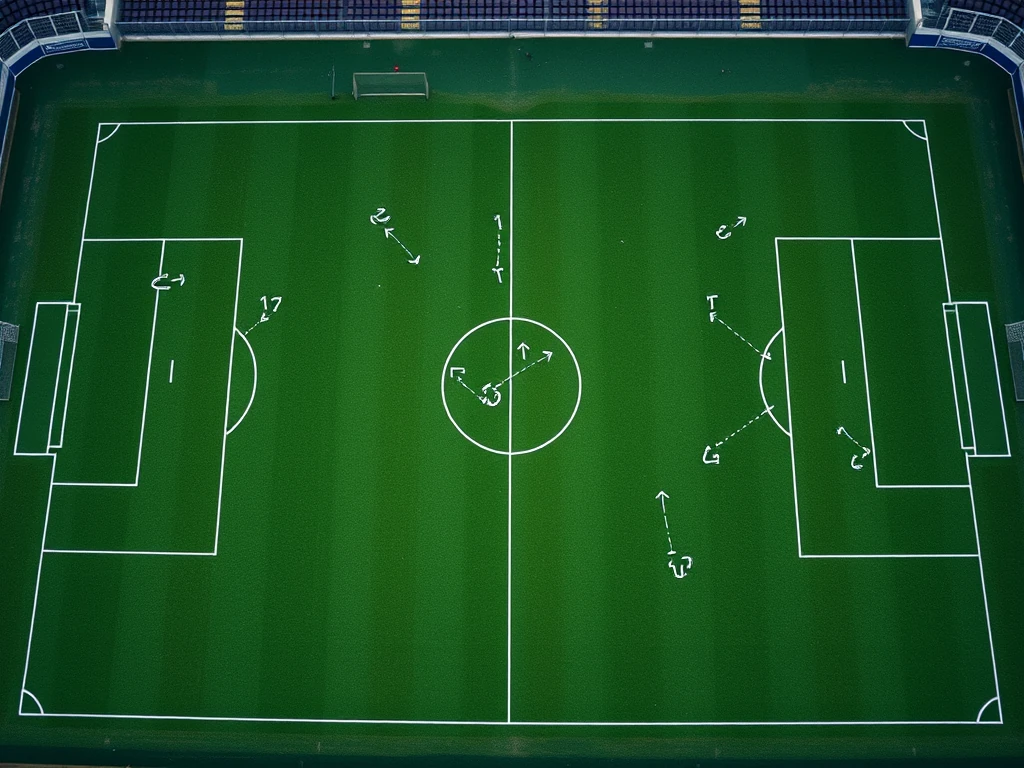
Currently, Fleetwood Town has been operating primarily in a 4-2-3-1 formation, which has provided a solid foundation defensively while allowing creative players to flourish in advanced areas. This structure has brought some success, particularly in matches where they can exploit the opposition's weaknesses through counter-attacks. However, the reliance on a lone striker can sometimes lead to a lack of penetration and creativity in the final third.
Enhancing Offensive Dynamics
One of the primary tweaks that could benefit Fleetwood is the introduction of a more fluid attacking formation, potentially a 4-3-3. This shift would allow for two wingers to provide width, drawing defenders out and creating space for overlapping full-backs. A front three featuring pacey wingers could stretch the opposition, while a central striker can focus on getting into goal-scoring positions. This tactical adjustment not only enhances the attacking threat but also allows for more pressing options when the ball is lost, as the front three can engage defenders more effectively.
Midfield Fluidity
In addition to adjusting the formation, Fleetwood could also benefit from a more dynamic midfield. Currently, the double pivot in the 4-2-3-1 setup can sometimes limit creativity, especially against teams that sit back. By incorporating a more fluid midfield triangle in a 4-3-3, it would allow one player to take on a more advanced role while the other two can alternate between defensive duties and advancing play. This would increase the tempo and allow for quick transitions, which is vital against teams that are well-organized defensively.
Defensive Solidity and Pressing Game
While Fleetwood's defense has shown improvement, the team could adopt a more aggressive pressing system to regain possession higher up the pitch. Implementing a coordinated press, particularly when the opposition plays out from the back, could disrupt their rhythm and lead to more goal-scoring opportunities. In order to achieve this, communication and understanding among the players will be crucial. The back four must be ready to push up, compressing the space and allowing the midfielders to engage quickly and support the forwards.
Utilizing Substitutes Strategically
Another area for potential improvement lies in the strategic use of substitutions. Fleetwood’s bench has depth, and utilizing fresh legs to inject energy into the game in the latter stages can be a game-changer. Bringing on pacey wingers or dynamic midfielders can stretch tired defenses, providing vital support for the starting eleven. This approach can be especially effective in tightly contested matches where a late goal can secure valuable points.
Conclusion
As Fleetwood Town looks to solidify their position in League Two, these tactical tweaks can enhance their performances significantly. By adopting a more fluid formation, encouraging midfield dynamism, implementing a proactive pressing strategy, and utilizing substitutes effectively, the Cod Army can maximize their potential. With the right adjustments, Fleetwood Town can not only compete but thrive in the challenging landscape of League Two.