
Analyzing Recent Form
Fleetwood Town's recent performances in League Two have showcased moments of brilliance interspersed with frustrating lapses. While the squad exhibits a commendable work ethic and resilience, there is a growing understanding that tactical adjustments could be crucial for consistent success. In their last few matches, Fleetwood has demonstrated a tendency to dominate possession but struggled to convert that control into goal-scoring opportunities. This trend emphasizes a need for strategic tweaks to optimize the team's attacking framework.
Midfield Dynamics
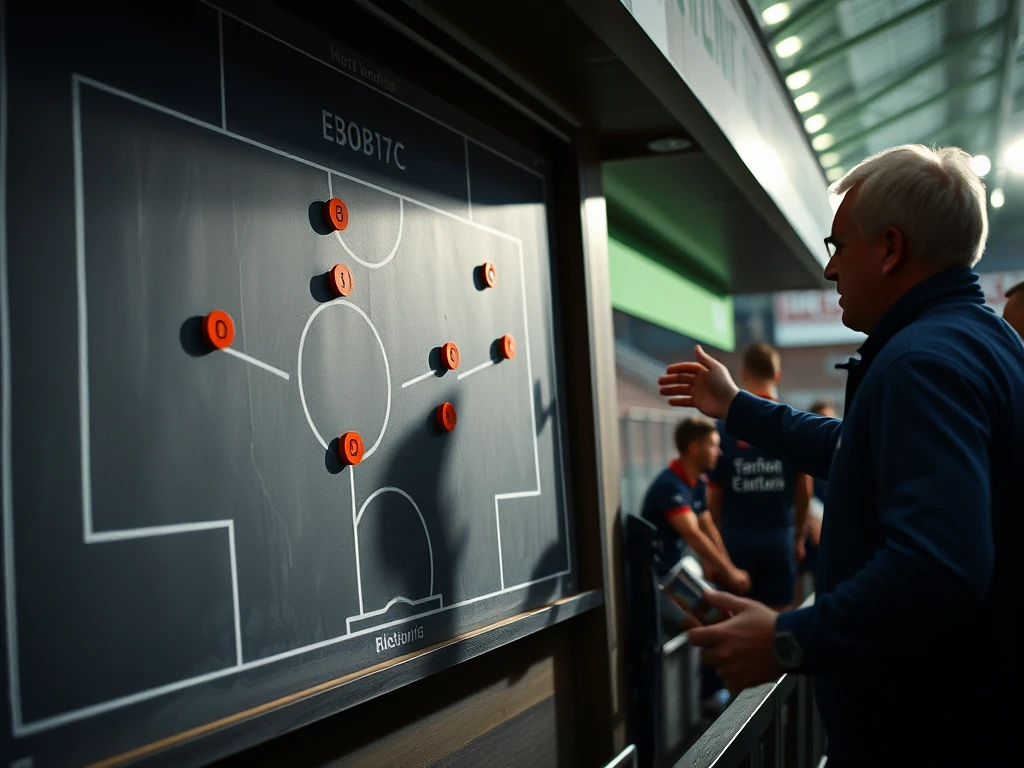
One area that merits attention is the midfield setup. Fleetwood often employs a three-man midfield to control the center of the pitch, but this can lead to overcrowding, stifling creativity and limiting options in the final third. A potential tweak could involve transitioning to a more fluid 4-2-3-1 formation. This would allow the two central midfielders to maintain a solid base while enabling the attacking midfielder to operate in a more advanced role, encouraging link-up play with the forwards. By doing so, Fleetwood could better exploit spaces between the opposition's lines, facilitating more incisive passing and movement.
Width and Wing Play
Additionally, the utilization of width has been another critical factor in Fleetwood's recent performances. The wing-backs have shown the ability to deliver quality crosses, yet often the team’s shape lacks the necessary width during attacking phases. Encouraging the wide players to push higher and wider could stretch opposition defenses, creating pockets of space for the central players to exploit. This approach not only enhances crossing opportunities but also allows for more dynamic play, as it would draw defenders out of position.
Defensive Solidarity
Defensively, Fleetwood has displayed resilience but has occasionally been vulnerable to counter-attacks. A more cohesive defensive strategy could involve a slight adjustment in the backline's positioning. Encouraging the center-backs to maintain a higher line can help compress the defensive third, challenging opposing forwards to operate under pressure. However, this must be balanced with the need for pacey cover in case of breaks. Therefore, integrating a dedicated defensive midfielder to shield the backline could provide that necessary support, ensuring that Fleetwood remains robust while still committing players forward.
Set-Piece Strategies
Set pieces represent another untapped potential for Fleetwood Town. The team has shown signs of threat during corners and free-kicks, yet there appears to be a lack of structured routines to maximize these situations. Investing time in rehearsing set-piece strategies could yield dividends, particularly with the physical presence within the squad. Designing specific movements and runs could create confusion among defenders, leading to more scoring opportunities from dead-ball situations.
Conclusion
As Fleetwood Town looks to solidify its position in League Two, these tactical tweaks could be pivotal in transforming recent form into a more robust performance level. The Cod Army has the talent and determination to challenge for promotion, but it will require strategic foresight and adaptability from both the players and coaching staff. By refining their approach, Fleetwood can enhance their chances of achieving their aspirations this season.