Introduction
Fleetwood Town, known affectionately as The Cod Army, has faced a mixed bag of results in recent matches. As the team strives for consistency in League Two, a closer look at their tactical approach reveals areas for refinement that could help them secure vital points in the coming fixtures.
Current Tactical Overview
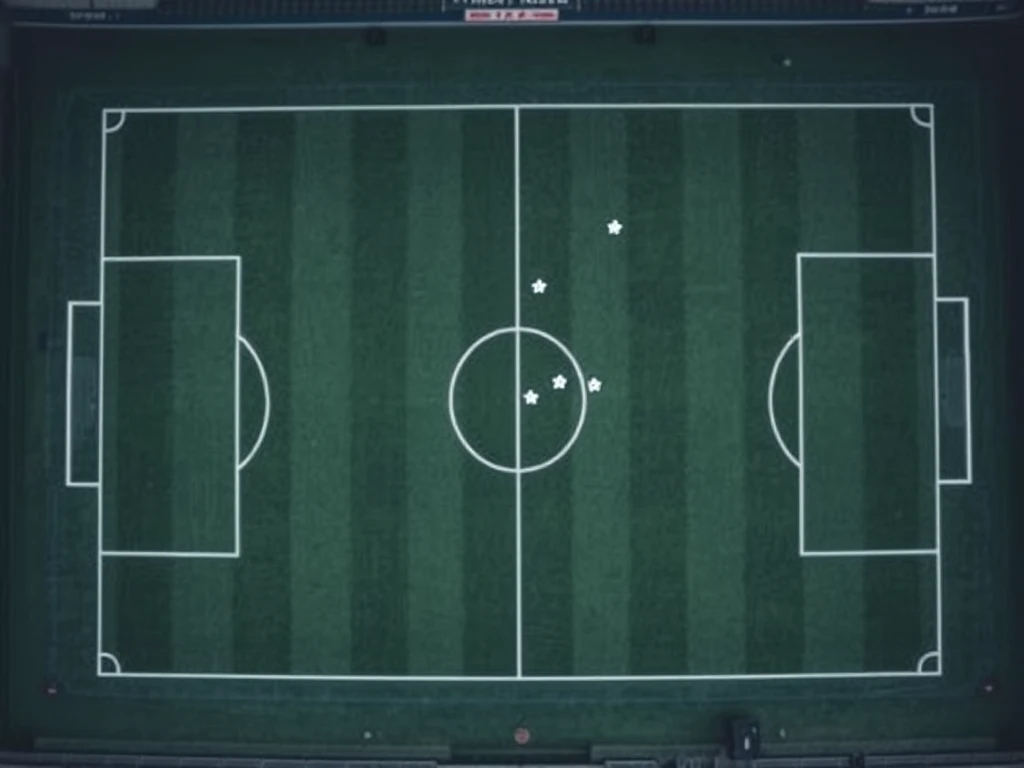
Fleetwood Town has predominantly employed a 4-3-3 formation, which has allowed them to maintain a solid midfield presence while providing width through the flanks. However, the reliance on this structure appears to have become predictable, inviting opponents to exploit their weaknesses. In recent matches, the team has struggled to break down compact defenses, often resorting to long balls that lack precision and creativity.
Midfield Dynamics
One area that warrants attention is the midfield trio's dynamic. While the central midfielders work hard to control possession, there seems to be a disconnect when transitioning from defense to attack. The team would benefit from introducing a more advanced playmaker to link the midfield with the forward line, allowing for fluidity and unpredictability in their attacking play.
Suggested Adjustment: Consider shifting to a 4-2-3-1 formation, where two deeper midfielders can provide a solid base while an advanced midfielder operates behind the striker. This change could create more options in the final third, enabling the forwards to receive the ball in more dangerous areas.
Wing Play and Forward Movement
Fleetwood's wingers have shown potential, but their effectiveness has diminished due to a lack of support and movement from the forwards. Opponents have begun to double up on the wide players, leading to fewer scoring opportunities. Moreover, the strikers have often found themselves isolated, making it difficult to capitalize on the service from the wings.
Suggested Adjustment: Encourage the wingers to cut inside more frequently, creating space for overlapping full-backs. This tactic not only diversifies their attacking options but also creates confusion for the opposing defense, opening up opportunities for the strikers to exploit.
Defensive Cohesion
Defensively, Fleetwood has shown resilience at times, but lapses in concentration have cost them crucial points. The back four needs to work on their communication, especially during set-pieces and transitions. Additionally, the full-backs should be more cautious when joining the attack, ensuring that they don’t leave the center-backs exposed on the counter.
Suggested Adjustment: Implement a more disciplined approach for the full-backs, opting to stay in line with the center-backs when the team is in possession. This strategy will help maintain defensive stability, particularly against teams that thrive on counter-attacks.
Conclusion
As Fleetwood Town continues its journey in League Two, small tactical tweaks could provide the edge needed to elevate their performances. By refining their midfield structure, enhancing wing play, and solidifying defensive cohesion, The Cod Army can look forward to a more successful campaign. The upcoming matches present an opportunity to implement these changes and test their effectiveness on the pitch, giving fans hope for a strong finish to the season.